Avery Hansen · 21 October 2026
Shifting Referral Dynamics for Owner-Managed Web Platforms During Periods of Search Volatility
Patterns Observed in Traffic Sources
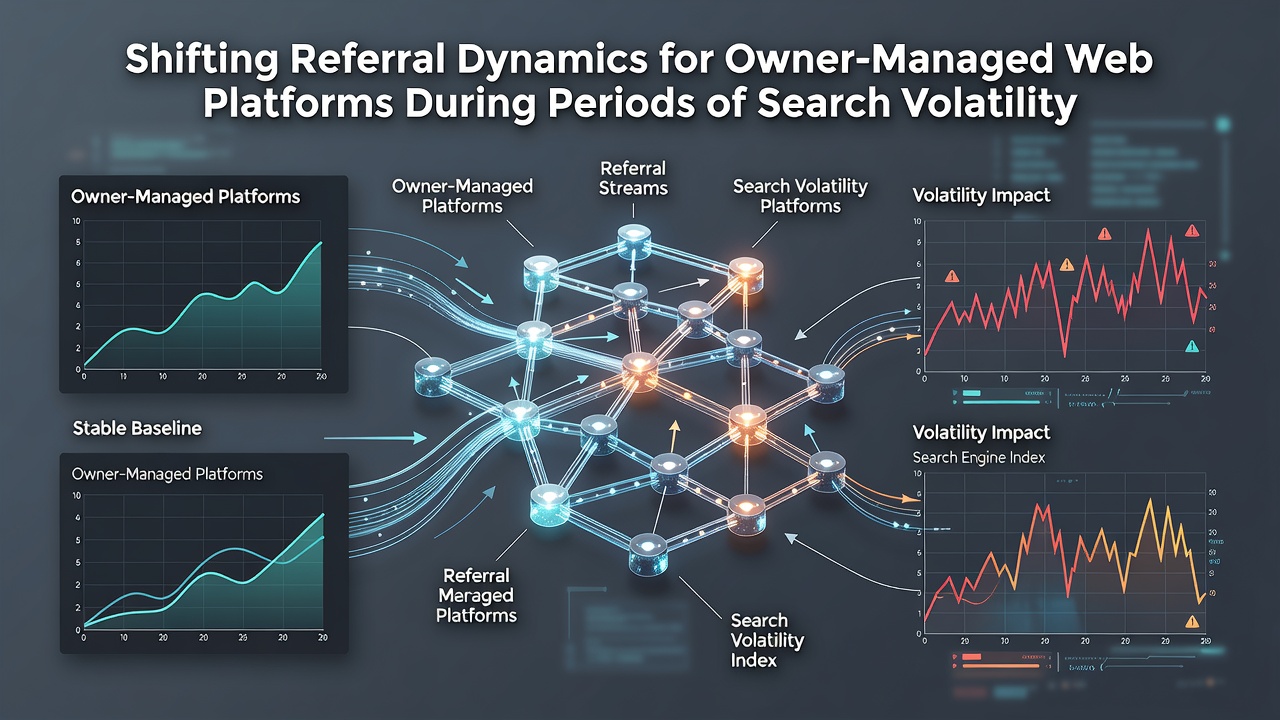
Owner-managed web platforms experience measurable changes in referral traffic when search engines introduce updates that create ranking instability, and data collected through analytics platforms shows these shifts occur across multiple verticals including niche content sites, local service directories, and independent e-commerce stores. Researchers tracking traffic composition note that organic search declines during volatility periods often coincide with increases in direct visits and referrals from social platforms, email lists, and partner sites as users rely on previously established pathways.
Figures from industry monitoring services reveal that referral percentages can rise by 15 to 25 percent within weeks of major algorithm adjustments, while search-driven sessions drop correspondingly. Those who operate single-person or small-team platforms frequently document these transitions through server logs and third-party tools, allowing them to compare pre-update and post-update source distributions over multi-month windows.
Impact of Algorithm Changes on Independent Sites
Search volatility tends to affect smaller platforms more acutely because their visibility depends heavily on a limited set of ranking factors, and when core updates roll out, referral channels gain relative importance as stabilizing elements. In October 2026, several documented cases showed owner-managed sites losing between 30 and 40 percent of previous search sessions yet maintaining overall visitor numbers through expanded referral streams from forums, industry newsletters, and cross-site collaborations.
Experts analyzing these events point to adjustments in how external sites link and share content, because reduced search prominence prompts platform owners to strengthen direct relationships with complementary sites. This produces measurable growth in referral sessions that carry different engagement profiles compared with search visitors, including longer average session durations and higher return rates according to aggregated analytics reports.
Data from Monitoring Services and Reports
Analytics providers that aggregate anonymized data across thousands of independent domains have published summaries indicating that referral traffic quality metrics, such as pages per visit and conversion events, remain stable or improve slightly during volatility windows. One study released by a European research consortium documented these patterns across 1,200 owner-operated sites and found referral sources accounted for an average 18 percent increase in total sessions when search rankings fluctuated beyond normal thresholds.
Pew Research Center data on digital navigation habits further supports observations that users turn to bookmarked or shared links when search results appear less reliable. Platform operators who track these trends through consistent measurement frameworks gain clearer pictures of how traffic composition evolves without relying solely on search performance indicators.
Adaptations in Link and Partnership Strategies
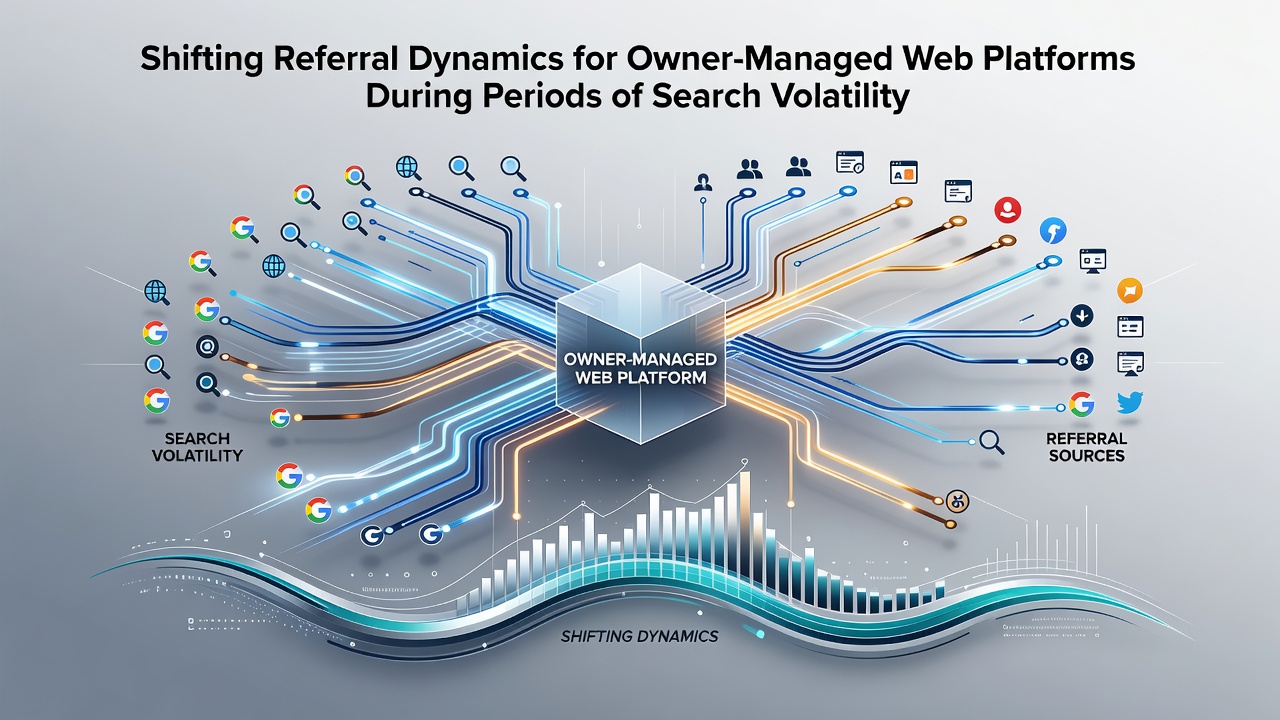
Owner-managed platforms respond to these dynamics by expanding reciprocal linking arrangements and participating in content syndication networks that generate consistent referral streams. Records maintained by site operators show that such partnerships often produce referral traffic with lower bounce rates than search visitors during the immediate aftermath of volatility events, because the referring sites already hold established audience trust.
Statistics from digital economy reports compiled by government agencies in multiple regions, including those from the Australian Bureau of Statistics on online business activity, indicate that smaller platforms allocating resources toward referral diversification maintain steadier overall traffic levels across update cycles. These approaches involve systematic outreach to complementary domains and regular monitoring of incoming link profiles to identify emerging sources that offset search declines.
Measurement Approaches Used by Site Operators
Those managing independent platforms employ multi-source tracking setups that combine server-level logs with external analytics services to separate referral traffic from direct and search categories accurately. This separation allows identification of which external domains contribute the most stable sessions during periods when search engine results pages undergo repeated repositioning.
Comparative analyses conducted on sites that experienced similar volatility patterns demonstrate that referral traffic tends to exhibit different keyword and topic distributions, often reflecting the thematic focus of the referring domains rather than broad search queries. Such distinctions help operators understand audience composition shifts without attributing all changes to search performance alone.
Conclusion
Referral dynamics for owner-managed web platforms shift in predictable ways during search volatility episodes, with data indicating increased reliance on external site relationships and direct navigation pathways. Platform operators who maintain detailed source tracking and cultivate diverse referral networks document more consistent traffic volumes across update cycles. Continued collection of segmented analytics data supports clearer understanding of these transitions and their effects on independent online properties.